

Overview of Agency Workflow
Initial Intake Process
The agency starts by receiving project requests from clients like Constellation Media.
Intake specialists gather essential information to fully understand client needs.
They ensure all preliminary data, such as objectives and deadlines, are recorded accurately.
Next, the intake team communicates with marketing manager Elaine Wills to confirm project scope.
This step guarantees a clear foundation before moving forward to the next phase.
Creating the Project Brief
After intake, the project manager drafts a comprehensive brief to guide the team.
The brief outlines goals, target audiences, tone, and key messages for the deliverable.
For example, content strategist Daniel Brooks refines the brief to align with brand standards.
Additionally, the brief sets timelines and resource allocations to maintain transparency.
Team members review and approve the brief to ensure everyone shares the same vision.
Generating AI Drafts
With the brief finalized, AI tools assist in creating the initial content draft.
The AI generates multiple options based on the parameters set in the brief.
Content specialists like Maya Chen analyze these drafts to select useful elements.
Furthermore, AI shortens production time by offering creative suggestions efficiently.
However, human oversight remains crucial to maintain quality and brand voice.
Editing and Refining Content
Editors review the AI-assisted drafts to enhance clarity and coherence.
Senior editor Lucas Ramos corrects grammar, adjusts structure, and improves flow.
This stage also ensures adherence to style guidelines specified in the brief.
Editors confirm facts and verify compliance with client requirements.
Feedback loops between editors and writers refine content further before approval.
Publishing the Final Content
Once approved, the content moves to the publishing team led by Sofia Martinez.
The team formats content for various platforms, including websites and social media.
They schedule or directly publish materials according to the project timeline.
Publishing systems are double-checked to prevent errors and downtime during launch.
Finally, post-publish analytics track performance to inform future projects effectively.
Intake Process Gathering Client Requirements and Objectives
Establishing Initial Contact
Effective communication begins with a clear introduction between the agency and client.
Rachel Nguyen from Lumina Marketing initiates contact by scheduling a discovery call.
She ensures that all relevant stakeholders from Colver Innovations are present.
This step creates a foundation for mutual understanding.
Identifying Business Goals and Priorities
During the call, Rachel asks targeted questions about Colver Innovations’ business goals.
Transform Your Content Workflow with Draft and Edit
Ready to elevate your WordPress content creation?
Visit
Draft and Edit today and experience the power of AI-driven drafts and seamless collaborative editing.
Join our community to streamline your content process and boost your productivity like never before!
She listens carefully to understand their short-term and long-term priorities.
Additionally, Rachel documents specific outcomes that Colver aims to achieve.
This focus helps the agency align its strategy with client objectives.
Clarifying Target Audience and Market Position
Understanding the target audience is crucial for a tailored campaign.
Rachel probes into demographics, behaviors, and preferences of Colver’s customers.
She also assesses key competitors to define Colver’s market position clearly.
As a result, the agency can craft messaging that resonates effectively.
Gathering Project Requirements and Deliverables
Rachel requests detailed information about the expected deliverables from Colver Innovations.
This includes content types, formats, and any specific branding guidelines.
She also confirms deadlines and milestones to maintain project timelines.
Furthermore, Rachel collects any existing resources or reference materials the client provides.
Using Intake Forms and Collaborative Tools
To streamline information gathering, Lumina Marketing employs digital intake forms.
Clients like Colver fill out questionnaires covering essential campaign details.
This method guarantees comprehensive data collection and reduces miscommunication.
Additionally, shared collaboration platforms keep everyone updated in real time.
Summarizing and Confirming Client Needs
After collecting information, Rachel compiles a clear summary of client requirements.
She shares this document with Colver Innovations for verification and feedback.
This practice ensures alignment before moving forward into the briefing stage.
Therefore, it minimizes the risk of misunderstandings and revisions later on.
Creating a Detailed Brief
Defining Project Objectives
Start by clearly outlining the primary goals of the project.
Ensure each objective aligns with the client’s expectations and brand values.
Moreover, communicate these goals effectively to all team members.
This clarity prevents misunderstandings during later stages of production.
Specifying Target Audience
Identify the specific demographics and behaviors of the intended audience.
Describe their interests, challenges, and motivations in detail.
Consequently, the content will resonate more deeply with the target group.
Use audience insights provided by marketing analyst Rachel Lin for precision.
Outlining Key Messages
Highlight the main messages that must be conveyed in the content.
Focus on what differentiates the client’s offerings from competitors.
Additionally, make sure these key points are consistent throughout the project.
Transform Your Content Workflow with Draft and Edit
Ready to elevate your WordPress content creation?
Visit
Draft and Edit today and experience the power of AI-driven drafts and seamless collaborative editing.
Join our community to streamline your content process and boost your productivity like never before!
This approach supports a unified and persuasive communication strategy.
Defining Deliverables and Deadlines
List all expected deliverables with clear descriptions and formats.
Set realistic deadlines in collaboration with project manager Luis Ortega.
Prioritize tasks to facilitate smooth transitions from draft to publishing.
Timely deadlines help keep the overall agency workflow on track.
Clarifying Roles and Responsibilities
Assign each task to specific team members to ensure accountability.
Include contact information for easy communication among writers, editors, and designers.
This structure fosters collaboration and quick problem-solving during execution.
Project coordinator Emily Chen maintains these assignments within the project brief.
Including Brand Guidelines and Tone
Incorporate the client’s brand standards and style preferences in the brief.
Specify the tone of voice, whether formal, casual, or conversational.
Consistency in tone reinforces brand identity and builds audience trust.
Refer to marketing director Samuel Price’s guidelines for accuracy.
Integrating Relevant Resources and References
Attach or link to any necessary documents, research, or past campaigns.
Clearly indicate preferred sources to guide AI drafting and human editors.
This resource list strengthens content credibility and supports informed writing.
Content strategist Alicia Morgan recommends keeping resources easy to access.
Review and Approval Workflow
Define the steps for internal review, revisions, and final approval.
Include key stakeholders like creative director Nina Patel in the feedback loop.
Transparent review processes improve quality and reduce last-minute changes.
This ensures that the final content matches the brief’s expectations perfectly.
Gain More Insights: Keep Brand Voice Consistent Across 100+ Posts With AI Prompt Packs
Utilizing AI Draft Tools
Automating the First Draft Creation
AI draft tools speed up initial content generation effectively.
They help agencies move quickly from intake to publish stages.
Moreover, automation reduces manual writing time significantly.
Enhancing Efficiency with AI
AI systems analyze the brief to generate relevant drafts.
These drafts provide a solid foundation for editors to refine.
As a result, teams like those at BrightPath Media focus on polishing rather than starting from scratch.
Additionally, AI tools like Jasper or CopyForge have intuitive interfaces.
They integrate easily with existing agency workflows.
Transform Your Content Workflow with Draft and Edit
Ready to elevate your WordPress content creation?
Visit
Draft and Edit today and experience the power of AI-driven drafts and seamless collaborative editing.
Join our community to streamline your content process and boost your productivity like never before!
Maintaining Quality Through Collaboration
AI provides the first draft, but human insight remains crucial.
Editors such as Clara Nguyen review and tailor content to the audience.
This collaboration ensures both speed and quality work.
Furthermore, AI drafts often inspire creative direction for final versions.
Key Benefits of Using AI Draft Tools
- Faster turnaround time for initial drafts
- Consistency in tone and style guided by briefs
- Reduced writer’s block for creative teams
- Ability to handle increased content volume efficiently
- Cost savings by automating repetitive tasks
Effective Steps for Implementing AI Draft Tools
Begin by choosing tools that align with your agency’s needs.
Train your team on best practices for prompt crafting and editing.
Establish clear guidelines for when and how to use AI drafts.
Finally, solicit feedback continuously to improve the workflow.
Find Out More: Before/After: 4-Week Publishing Velocity With and Without AI Drafts
Role of the Editor: Refining and Enhancing AI-generated Content
Ensuring Accuracy and Relevance
The editor reviews AI drafts carefully for factual accuracy.
They verify details to maintain credibility and trust.
Additionally, the editor assesses whether the content aligns with client goals.
They remove any outdated or irrelevant information promptly.
Enhancing Clarity and Readability
The editor improves sentence structure to enhance readability.
They break long sentences into concise, clear statements.
Moreover, the editor ensures tone and style match the brand voice.
They use transition words to create smooth reading flow.
Incorporating Human Creativity and Insights
The editor adds unique insights that AI may overlook.
They inject creativity to make the content engaging and relatable.
Furthermore, the editor adapts examples or anecdotes to target audiences.
This step makes content more persuasive and memorable.
Polishing Grammar, Punctuation, and Style
Editors meticulously check grammar and punctuation for correctness.
They apply style guidelines consistently throughout the content.
Consequently, the final draft appears professional and polished.
They also eliminate redundancy to maintain reader interest.
Collaborating Effectively with Writers and AI Teams
Editors communicate feedback clearly to content creators and AI developers.
They suggest improvements to enhance future AI drafts.
This teamwork ensures a continual rise in content quality.
Editors often balance creativity with AI’s efficiency and speed.
Find Out More: WooCommerce at Scale: AI Drafts for Product Descriptions That Convert
Transform Your Content Workflow with Draft and Edit
Ready to elevate your WordPress content creation?
Visit
Draft and Edit today and experience the power of AI-driven drafts and seamless collaborative editing.
Join our community to streamline your content process and boost your productivity like never before!
Collaborative Feedback Loops Between Editor and Writers
Establishing Clear Communication Channels
Effective collaboration starts with clear communication channels.
Sarah Jennings, the lead editor at BrightWave Media, emphasizes open dialogue.
Writers and editors use Slack and email to exchange feedback promptly.
Regular video calls help clarify complex points quickly.
These tools ensure that no message or change request is lost in transit.
Iterative Review and Refinement Process
Editors like Marcus Lee review AI-generated drafts carefully.
He provides detailed notes focusing on tone, accuracy, and flow.
Writers revise their work based on his insights.
This iterative process continues until the piece meets the agency’s standards.
Consequently, content quality improves with each feedback loop.
Encouraging Constructive and Specific Feedback
Editors avoid vague comments by being precise about suggested changes.
For example, Emma Collins recommends highlighting which paragraphs need restructuring.
She also encourages writers to ask questions when feedback is unclear.
This approach fosters a positive and productive working relationship.
As a result, everyone stays aligned on the content’s objectives.
Tracking Changes and Maintaining Version Control
Utilizing tools like Google Docs helps track revisions efficiently.
Both editors and writers can see what changes were made and why.
Anthony Morgan from ClearPath Content insists version control prevents confusion.
It also enables easy rollback if any edits do not improve the draft.
Therefore, the team maintains a reliable and organized workflow.
Balancing Editorial Authority and Writer Creativity
Editors guide the narrative direction while respecting writer voice.
Sophia Rivera explains that balancing authority and creativity enhances originality.
Writers feel empowered to contribute unique ideas within editorial guidelines.
At the same time, editors ensure consistency with the brand tone.
This balance results in engaging and authentic content.
Uncover the Details: Editorial Calendar in a Box: 52 AI-Generated Drafts for the Year
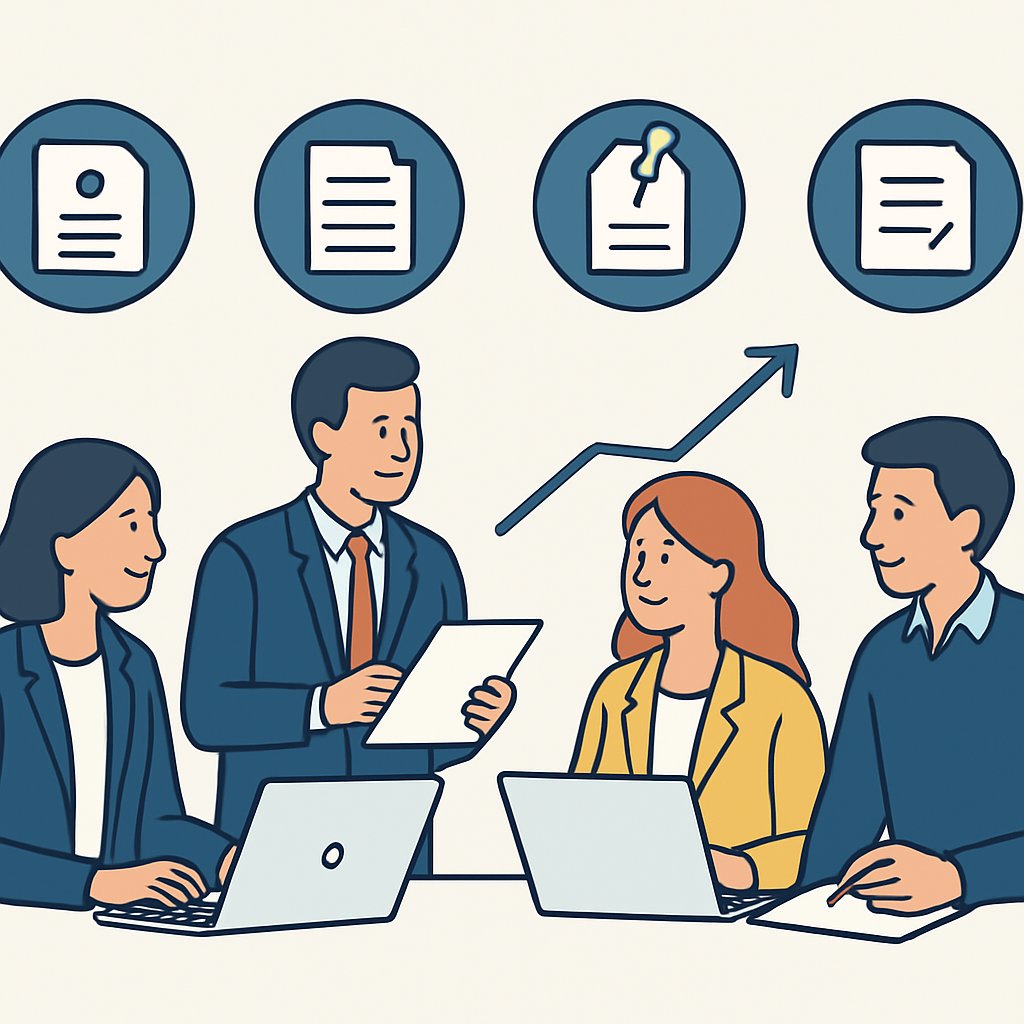
Finalizing the Content: Quality Checks and Approval
Ensuring Accuracy and Consistency
The editor carefully reviews the draft for factual accuracy.
They cross-check data and references against trusted sources.
Additionally, they verify stylistic consistency throughout the content.
Language tone and brand voice must align with company standards.
Transform Your Content Workflow with Draft and Edit
Ready to elevate your WordPress content creation?
Visit
Draft and Edit today and experience the power of AI-driven drafts and seamless collaborative editing.
Join our community to streamline your content process and boost your productivity like never before!
This step guarantees the content meets client expectations.
Incorporating Feedback and Revisions
After the initial review, editors communicate notes to writers or AI specialists.
They highlight areas needing clarification or improvement.
Then, the content undergoes revisions based on this feedback.
This iterative process continues until the quality bar is reached.
Effective collaboration between team members produces polished results.
Final Approval Workflow
Once revisions are complete, the content enters the approval stage.
Managers or clients review the final draft for sign-off.
They may request minor adjustments to fit strategic goals.
Upon approval, the content is ready for publication.
Quality Assurance Checks Before Publishing
Before publishing, a final technical review ensures formatting is correct.
Editors check for broken links, image placements, and SEO optimization.
They also confirm metadata and tags are properly assigned.
This stage prevents common errors that could affect user experience.
It helps maintain the agency’s reputation for quality work.
Coordinating with the Publishing Team
The publishing team schedules the content release according to the calendar.
They ensure all assets are uploaded and functioning properly.
Communication between editors and publishers avoids last-minute issues.
As a result, content goes live smoothly and on time.
This organized approach maximizes audience engagement and reach.
Publishing Strategies: Platforms, Timing, and Optimization
Selecting the Right Platforms
Choosing the proper platform is crucial for your content’s success.
Different audiences prefer various channels.
Research their habits carefully before deciding.
For example, LinkedIn suits B2B content better.
Instagram works well for visual brands.
Content managers like Vanessa Chen at BrightWave Media stress platform relevance.
Platforms such as Medium and Substack allow longer-form content.
They also help reach niche audiences effectively.
Aligning your content type with platform strengths increases engagement significantly.
Optimizing Content for Each Platform
Each platform requires tailored formatting to maximize impact.
Transform Your Content Workflow with Draft and Edit
Ready to elevate your WordPress content creation?
Visit
Draft and Edit today and experience the power of AI-driven drafts and seamless collaborative editing.
Join our community to streamline your content process and boost your productivity like never before!
Use shorter, attention-grabbing headlines for Twitter and Facebook posts.
Detailed articles perform better on company blogs or LinkedIn.
Visual optimization enhances user experience.
Incorporate images and videos wisely in your content.
According to digital strategist Miguel Alvarez, optimized content boosts reach and retention.
Customize keywords, hashtags, and metadata per platform to improve searchability.
Timing Your Publications Effectively
Publishing content at optimal times increases visibility and engagement.
Research shows higher traffic during mid-morning and lunch hours.
Timing varies by platform and audience demographics.
Instagram users are most active in the early evening.
Marketing analyst Priya Shah recommends using scheduling tools to automate postings.
This approach ensures consistency and taps into prime audience activity windows.
Continuous Optimization Through Data Analysis
Tracking performance metrics helps refine publishing strategies.
Collect data on views, shares, click-through rates, and conversions.
Content strategist Daniel Ortiz emphasizes interpreting analytics to identify successful tactics.
Regularly test different headlines, formats, and posting times.
Gather audience feedback to align content with their preferences.
Ongoing optimization leads to audience growth and stronger brand authority.
Leveraging Cross-Promotion and Collaboration
Cross-promoting content across platforms broadens your reach effectively.
Collaborate with influencers or partner companies to tap into new audiences.
Social media manager Lila Hassan often coordinates campaigns to maximize impact.
Sharing published work through newsletters and employee advocacy drives traffic.
Combining these strategies boosts credibility and engagement over time.
Integrated promotion supports a sustainable content ecosystem.
Measuring Workflow Efficiency
Tracking Key Performance Indicators
Agencies must identify key performance indicators to evaluate workflow efficiency.
Common KPIs include turnaround time.
They also track error rates and revision frequency.
Tracking these indicators helps uncover bottlenecks in the process.
For instance, Horizon Media uses time-to-market to improve content delivery.
Client satisfaction scores provide insight into overall quality and speed.
Transform Your Content Workflow with Draft and Edit
Ready to elevate your WordPress content creation?
Visit
Draft and Edit today and experience the power of AI-driven drafts and seamless collaborative editing.
Join our community to streamline your content process and boost your productivity like never before!
Utilizing Performance Data Effectively
Collecting performance data is only valuable when used to drive decisions.
Teams should review data regularly during project retrospectives.
This approach encourages accountability.
It also highlights areas needing improvement.
Platforms like ClearPath Analytics offer real-time dashboards for transparency.
Applying data insights can optimize workflow stages for faster output.
Continuous Improvement Practices
Implementing Feedback Loops
Effective workflows include consistent feedback from team members and clients.
Regular check-ins and surveys capture actionable input.
Marketing specialist Alice Chen highlights that structured feedback boosts editor and writer alignment.
Documenting lessons learned prevents repeated mistakes in future projects.
Adopting Iterative Refinements
Continuous improvement involves small, incremental changes rather than major overhauls.
Agencies should pilot new tools or strategies before full implementation.
For example, Bright Concepts tested AI-assisted drafting before integrating it into workflow steps.
This gradual approach reduces risk and fosters team buy-in.
Iterative refinements also allow agile responses to evolving client needs.
Enhancing Collaboration Across Workflow Stages
Promoting Clear Communication
Seamless collaboration depends on transparent and timely communication channels.
Teams benefit from unified platforms such as Slack or Microsoft Teams.
Project manager Samuel Lin stresses clear communication minimizes misunderstandings.
Regular updates between Intake, Brief, and Editor stages keep everyone aligned.
Facilitating Cross-Functional Training
Encouraging knowledge sharing between roles strengthens overall workflow quality.
Training sessions that cover AI drafting capabilities help editors adapt effectively.
Client managers learn to craft better briefs by understanding editorial needs.
This holistic view fosters empathy and streamlines handoffs.
Well-trained teams can accelerate delivery without sacrificing quality.
Integrating Technology and Human Expertise for Optimal Results
Seamless Workflow from Intake to Publish
The process begins with a detailed intake phase that gathers essential client information.
During intake, account managers like Sarah Kim collect goals, target audiences, and preferences.
Next, the team crafts a concise and clear brief to guide content creation efforts.
The brief ensures alignment between client expectations and team objectives.
Following the brief, artificial intelligence tools generate a first draft swiftly and efficiently.
AI technologies, such as the platform developed by Lumina Creative, accelerate content production.
Transform Your Content Workflow with Draft and Edit
Ready to elevate your WordPress content creation?
Visit
Draft and Edit today and experience the power of AI-driven drafts and seamless collaborative editing.
Join our community to streamline your content process and boost your productivity like never before!
However, human editors meticulously review and refine AI drafts to ensure quality and voice consistency.
Senior editors like David Ramirez add creativity and contextual understanding during this phase.
Finally, the polished content undergoes final checks before publishing on the intended platforms.
Publishing is coordinated by project managers who ensure timely and accurate delivery.
Enhancing Efficiency with Technology
Integrating AI in drafting significantly reduces turnaround time for initial content creation.
Moreover, it allows agencies to handle larger volumes of work without sacrificing quality.
This technological boost enables teams to focus on strategic and creative tasks.
For example, AI can suggest headlines or relevant keywords that improve SEO performance.
Additionally, automated grammar and style checks enhance the overall readability of drafts.
Technology supports efficient collaboration by organizing feedback and version control digitally.
Consequently, stakeholders like clients and editors stay informed and involved throughout production.
Preserving Human Creativity and Judgment
Despite AI’s capabilities, human expertise remains essential for nuanced storytelling.
Editors adjust tone, style, and messaging to suit specific brand identities effectively.
Experienced writers and strategists recognize cultural subtleties that machines may overlook.
They also apply critical thinking to ensure factual accuracy and ethical standards.
Collaboration between AI and humans results in content that is both efficient and authentic.
Teams led by creative directors such as Maya Solis embody this balanced approach.
This synergy ultimately produces content that resonates deeply with audiences.
Best Practices for Combining AI and Human Input
Establish clear communication channels among intake coordinators, AI operators, and editors.
Use project management tools to track progress and feedback at each stage seamlessly.
Train staff to understand AI strengths and limitations for optimal integration.
Regularly review outcomes to refine the workflow and improve collaboration.
Encourage feedback loops between technology developers and content creators to enhance tools.
Maintain flexibility to adapt processes to client-specific needs and evolving technologies.
Fostering a culture of continuous learning ensures long-term success and innovation.